
Confirmation Day

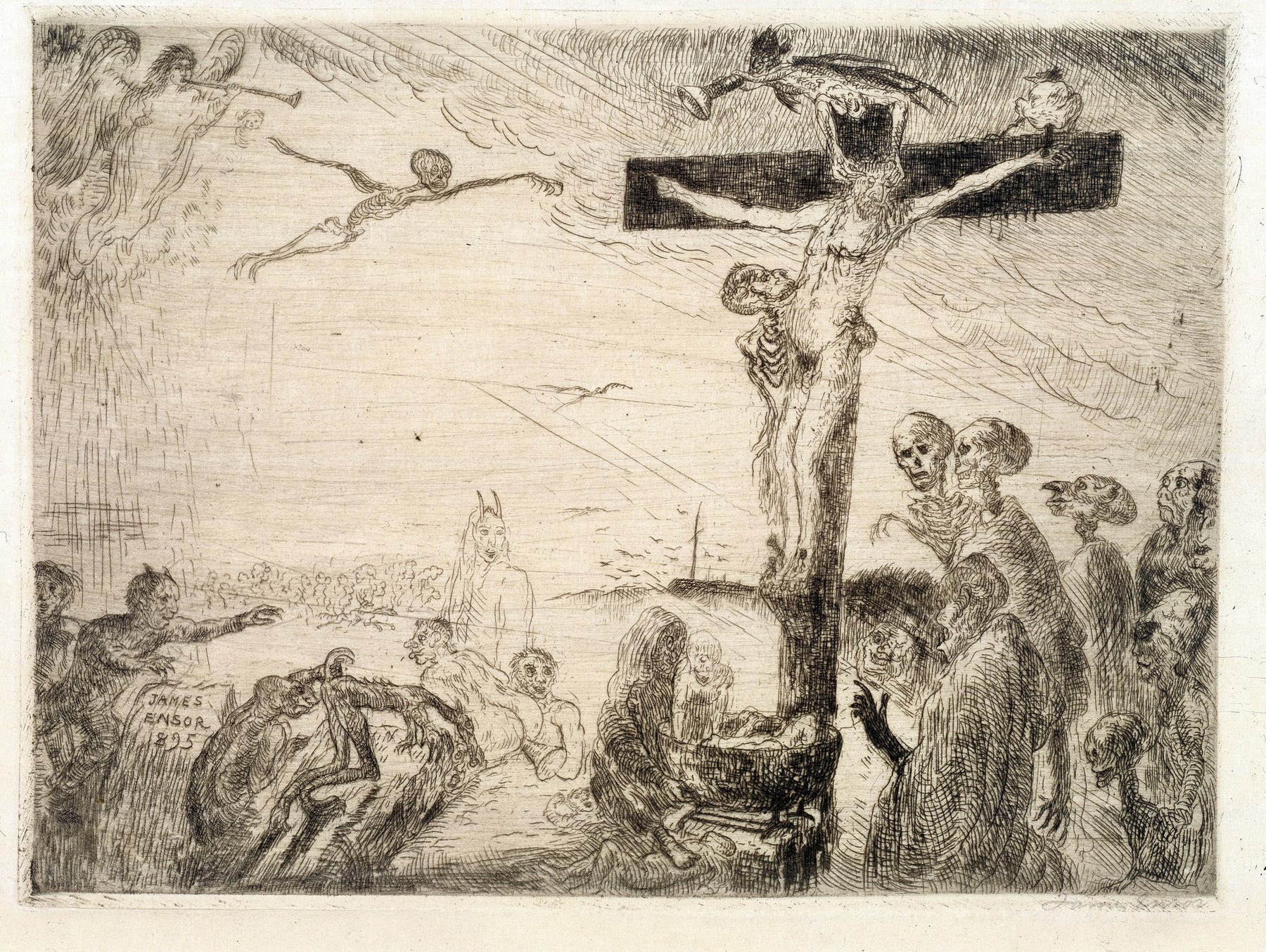
God
I used to bring a Thermos of flat pop and liquor to my college lectures. Not to party, not for courage. I brought it because if I didn’t, I might have a seizure right there in the plastic chair. By nineteen, I was already an alcoholic, a tired old thing in a young body.
It came on quick. Once I had enough friends with fake IDs, that was it. Every night. Alcohol made me love myself—or at least forget that I didn’t. It felt good in that bottomless way some things do when you’ve found the key to your own ruin. I used to wonder why everyone else wasn’t doing it the way I did.
Maybe it was the OCD, maybe the constant hum of thought that needed quieting. But I don’t think it was about illness. I think I just liked the way the world bent when I drank.
I reached a point where I started getting withdrawal. Withdrawal is a thing language can’t quite reach. The best I can do: imagine driving a dark highway, and a deer leaps out, and your heart ignites with a hot pump of terror. That same feeling, over and over, for forty-eight hours straight. That’s alcohol withdrawal. Then weeks of trembling, months before your nerves stop whispering the word drink. It’s terrifying.
Once, I lay in bed, shaking profusely, sweating through the sheets, staring at the doorway. A tall figure stood there, faceless, watching. I remember thinking, Of course. Of course you’d come now. Hell was starting to feel like company.
It took me years to get a month clean. Time slowed down until I thought the clocks were lying. The joy-chemical in my brain (whatever it was) had gone out. I’d wake up and stare at the wall for hours, waiting for the world to begin again.
I didn’t believe in God, not really, but in the middle of all that waiting, I started praying. I didn’t even know to whom. This wasn’t a Jesus saved my life story—it was a man talking to the dark because the dark was the only thing listening. I prayed to make it through the night. I prayed to stop shaking. I prayed to feel even a flicker of normal again. Prayer didn’t save me. It just gave the suffering a shape.
It felt like I was supposed to read the Bible, so I tried to. I couldn’t hold my focus for more than a few lines (withdrawal), but I liked the sound of it—the way the Old Testament thundered, like a storm approaching from somewhere you can’t see. I’d sit on the porch of that rotten student house, smoking cigarettes, talking to God about the horror of my own life. Please, don’t let me relapse, I’d say. Don’t let me go back there.
And then one night, I did.
I left my car buried in snow—half in the street, half in the drive, and walked to some nameless bar. I got drunk with a few old men who talked about nothing—football, weather, women they didn’t love anymore. I posted on Snapchat that I’d relapsed. I was loud and pitiful when I drank. Maybe I wanted help. Maybe I just wanted to be seen.
But I came back. Sober again. Somehow. The next morning, I prayed again. A few weeks later, something came over me—a thought that didn’t feel like my own. I decided to get confirmed in the Catholic Church.
I’d grown up Catholic, but we’d stopped going when I was a teenager. Back then I thought the whole thing was ridiculous. But now I wanted it, and I don’t know why. Maybe I wanted permission to believe again. Maybe I just wanted ritual, something older and stronger than my willpower. I don’t know.
They sent me to the Newman Center on campus. I told them everything—about the addiction, the relapse, the fear. They were kind. I didn’t fit in, but kindness was enough. My friends didn’t understand. One asked if my parents were making me do it. They weren’t. I just didn’t know what else to do with the pieces of myself.
On Easter morning I was confirmed. My parents came. The church smelled like wax and lilies. Everyone was smiling. I felt almost human again. The service ended with a brunch—coffee and ham and laughter, strangers congratulating me. Then I drove home and stopped at the liquor store and got drunk. The big day. I’d ruined it. I was so pathetic and weak. I’ve never told anyone this before.
I no longer see it as ruin, but I don’t know how I see it. A terrible reminder of how fragile sobriety is, maybe. A literary ending to the day. Not a happy one. I think there are happy endings in life—they just don’t work the way they’re supposed to.
It would’ve made a neater story if I’d fallen back into the pit for good. But I didn’t. I drank on confirmation day, I regretted it, I got sober again. I relapsed a few more times, and then I didn’t.
I’ve been sober eight years now. I married a Catholic woman. I go to Mass on Sundays. My time at the Newman Center was strange, but I love it. When I think back on it, it feels like a dream—the fluorescent halls, the quiet hands folded in prayer. It was the only place in my life that felt like mercy.
I still don’t understand what happened to me. I just know prayer made things lighter, and the Bible sounded like thunder, and church felt like somewhere I could wait without despair. I don’t pretend to know what God is. Alcohol is my Satan. That’s all I know.
Jesus
In those years, it was never about Jesus. I didn’t care for him. He hardly crossed my mind, which still feels strange to say. How does someone get confirmed in the Catholic Church as an adult without any real relationship to Jesus Christ? I don’t know, but I did.
That changed one day while I was hunting in Altmar State Forest. Out of nowhere, I asked myself, What do atheist historians say about Jesus?
That question set me off. I started reading and couldn’t stop. I became obsessed with finding out who the real Jesus was. I was convinced he was a real person, and just as convinced the New Testament wasn’t completely historically accurate. Then I read Bart Ehrman’s Jesus: Apocalyptic Prophet, and that book changed a lot.
I didn’t want to believe it, but the evidence that Jesus was an apocalyptic prophet—someone who believed the end of the world was near and that God’s kingdom was about to arrive—is strong. If you disagree and have evidence to the contrary, I’d love to hear it. But as of now, I’m convinced.
And I’m obsessed. I don’t say that lightly. I used to be addicted to alcohol; now I’m addicted to Jesus.
Studying the historical Jesus means studying the New Testament in detail—the context, the language, the politics, the sources. Over time, I realized I knew a lot. Enough that I could teach a class on Historical Jesus studies. I could write an academic paper, though I doubt I’d say anything new. Everything I believe about him has already been said by someone else.
That’s why I started this Substack. I’m a writer first, not a scholar. I didn’t want to go back to school or work in academia. I just wanted to write about the things I couldn’t stop thinking about.
I don’t go an hour without thinking about Jesus. I talk to myself a lot, and for years now, he’s been the main topic. I’m not even sure why.
I recently finished a novella I’m trying to get published. It’s told from the point of view of a man who believes Jesus appeared to him in an Arby’s restroom. Before Jesus could speak, someone in a Metallica shirt walked in and ruined it. The rest of the story follows the man as he studies the historical Jesus, trying to figure out what message he missed. It’s not really about religion. It’s about obsession.
Like me.
Thanks for sharing this personal aspect of your life. Very real and honest, like your other writing is.
“I still don’t understand what happened to me. I just know prayer made things lighter, and the Bible sounded like thunder, and church felt like somewhere I could wait without despair. I don’t pretend to know what God is. Alcohol is my Satan. That’s all I know.”
Wow. This hit so deep. Thanks for sharing.